A commercial overhead door can weigh hundreds of pounds, move several times a day, and sit directly between your facility and its deliveries, equipment, or tenants. That is why the top commercial door safety features are not optional upgrades to consider later. They are practical protections against injuries, property damage, forced entry, and the operational delays that follow a door failure.
For warehouses, retail spaces, multifamily properties, auto shops, and loading areas, the right safety setup depends on how the door is used. A low-cycle rear service door has different risks than a busy loading dock door operated throughout every shift. Still, the same goal applies: the door should move predictably, stop when it should, and be inspected before a small issue becomes a dangerous one.
Top Commercial Door Safety Features for Daily Operation
Photo eyes and monitored sensing devices
Photo eyes are one of the most recognizable safety devices on an automatic overhead door. Mounted near the bottom of the tracks, they create an invisible beam across the opening. If a person, forklift, cart, or other object interrupts that beam while the door is closing, the operator should stop and reverse the door.
These devices need more than a quick glance. Dust, water, vibration, bent brackets, and a misaligned sensor can keep a door from closing or, worse, allow it to close without responding properly. Staff should never bypass photo eyes to get a door moving. A door that will not close is inconvenient, but defeated safety equipment creates a much larger risk.
For high-traffic locations, monitored photo eyes or other monitored external entrapment devices give facility managers an added layer of protection. The operator can recognize certain wiring or device failures rather than continuing to run as if everything is normal.
A properly working reversing edge
A reversing edge is a pressure-sensitive device installed along the bottom of the door. When it contacts an obstruction during closing, it signals the operator to reverse. It provides a second line of defense when an object is low to the ground, outside the photo-eye beam, or difficult for a sensor to detect.
This feature matters most at loading docks, service bays, and properties where foot traffic is common. The edge should be secure, intact, and responsive. Cracked wiring, worn rubber, loose connections, and impact damage can all affect how it performs.
Photo eyes and reversing edges work best together. Neither should be treated as a replacement for keeping the opening clear and training employees to stay away from a moving door.
Controlled operator settings and accessible stop controls
The opener controls how quickly the door starts, travels, and closes. Incorrect force or travel settings can cause hard impacts at the floor, incomplete closing, or unnecessary strain on springs, cables, and hardware. A door should not slam shut or require excessive force to reverse when it encounters resistance.
A clearly marked stop button is equally important. People working near the opening should be able to stop door movement quickly without searching for a remote or walking across a busy work area. Wall stations, keypads, remotes, and other control devices should be placed where authorized users can reach them without standing in the path of the door.
Access control is part of safety as well. If every employee can operate a restricted overhead door, accidental operation becomes more likely. Keyed controls, programmed remotes, and managed entry systems can help limit use to trained personnel.
Mechanical Safety Features That Prevent Sudden Failures
Automatic safety devices cannot compensate for a door with failing mechanical parts. Commercial doors rely on springs, cables, rollers, tracks, drums, hinges, and mounting hardware that must carry significant weight under tension.
Contained cables and secure bottom brackets
Lift cables and bottom brackets deserve special attention. The bottom brackets are connected to cables under high tension. They should not be adjusted, removed, or repaired by untrained staff. A loose cable, damaged drum, frayed cable strand, or bent bottom bracket can cause the door to lift unevenly or drop unexpectedly.
Cable containment systems can help reduce the risk of loose cables creating a hazard if a cable breaks or slips. The exact setup depends on the door design, but the principle is straightforward: components under tension should be properly secured and professionally maintained.
If a door is hanging crooked, has a cable off the drum, or is making a loud snapping sound, take it out of service. Do not keep running it to finish a delivery or force it back into alignment.
Spring safety and balanced door movement
Springs offset the weight of a commercial door so the operator can raise and lower it safely. A worn or broken spring may leave the opener trying to lift far more weight than it was designed to handle. That can damage the operator and create unpredictable movement.
A balanced door should move smoothly when operated correctly and should not bind in the tracks, surge upward, or drift downward. Balance testing and spring work should be performed by qualified technicians because spring systems store dangerous energy. This is not a maintenance task for an in-house team with basic tools.
Track guards, roller condition, and clear travel paths
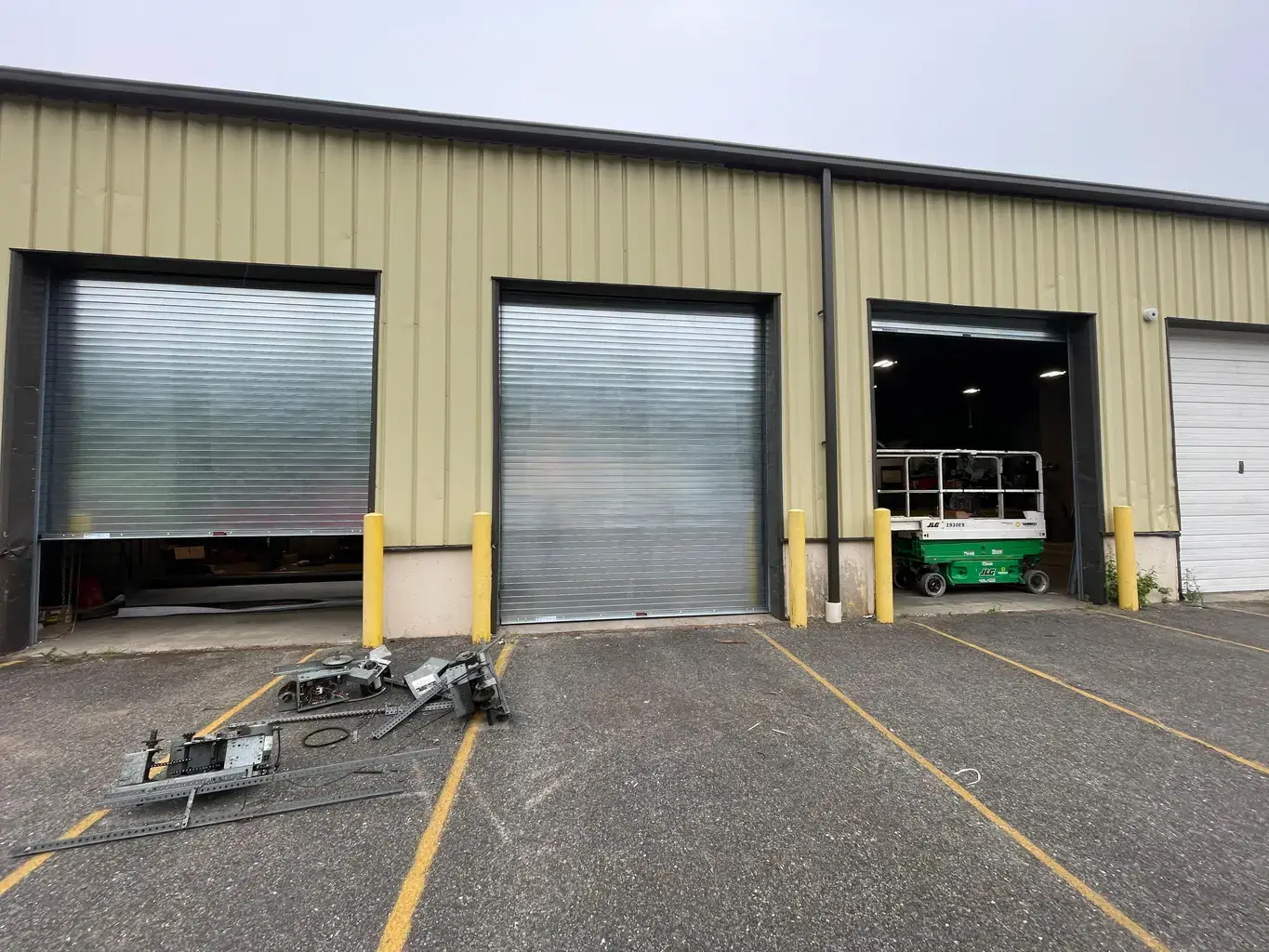
Forklifts, pallet jacks, carts, and delivery vehicles can damage tracks and vertical hardware. Track guards or bollards may be worthwhile where equipment operates close to the opening. They will not eliminate every impact, but they can prevent a minor bump from bending a track enough to cause binding or a derailment.
Rollers, hinges, and track hardware should also be checked for wear, missing fasteners, and abnormal noise. Lubrication can help where recommended, but it is not a fix for cracked rollers, loose track brackets, or damaged panels. A door that suddenly becomes noisy is often signaling a mechanical problem that needs inspection.
Safety Features for Security and Fire Protection
Commercial door safety also includes protecting the building when the door is closed. A door that cannot fully close or lock leaves inventory, vehicles, and occupied spaces exposed.
For many facilities, a commercial-grade operator with an automatic closing function can reduce the chance that a door is left open after a delivery. This needs to be matched with dependable entrapment protection and a clear warning system, especially where people may be entering or leaving the area. The safest closing arrangement depends on the traffic pattern, visibility, and whether the opening is supervised.
Rolling fire doors and fire-rated assemblies have their own inspection and testing needs. They are designed to close during a fire event, not simply to serve as a daily security barrier. Do not block their travel path, tie them open, or make modifications that interfere with their release mechanism. If your building has fire doors, coordinate inspection and maintenance with the requirements for that specific assembly.
Inspection Is a Safety Feature, Not Just Maintenance
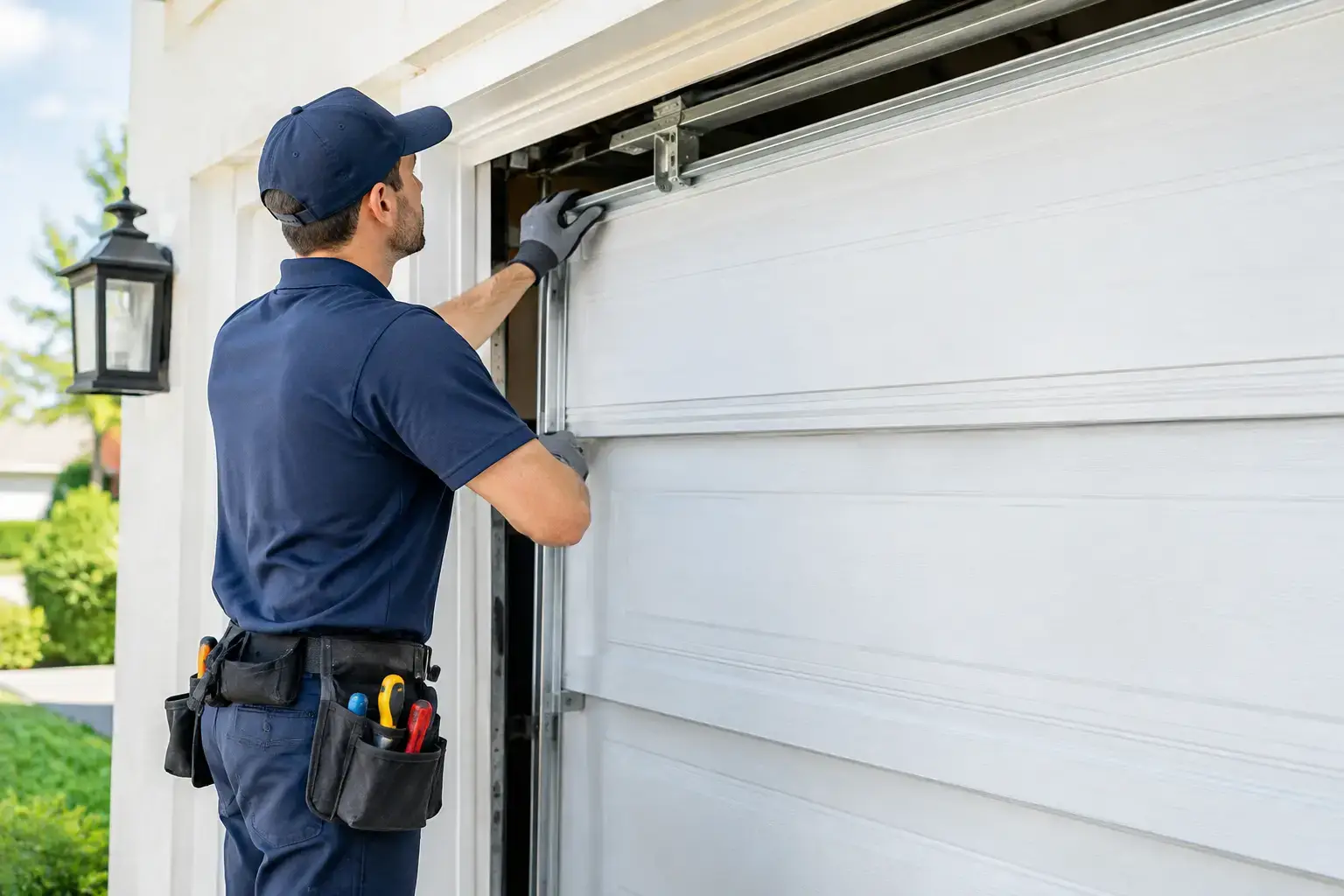
The most effective safety feature is regular inspection by someone who knows what to look for. Daily users may notice a new squeal or a slow close, but a trained technician can identify worn cables, incorrect spring tension, damaged safety devices, operator faults, and structural concerns before they lead to downtime.
Facility staff can perform a simple visual check before opening for the day. Look for obstructions in the doorway, damaged panels, frayed cables, loose hardware, broken photo-eye brackets, and warning lights on the operator. Test the photo eyes and reversing function according to the operator manufacturer’s instructions. If anything does not respond as expected, stop using the door and arrange service.
A professional preventive maintenance visit goes further. It should include an inspection of door balance, spring and cable condition, rollers, hinges, tracks, fasteners, operator settings, safety sensors, controls, and the overall condition of the opening. The right schedule depends on usage. A door that cycles dozens of times a day needs more attention than a door used only a few times a week.
For Greater Boston property managers and business owners, seasonal conditions add another reason to stay ahead of maintenance. Road salt, moisture, freezing temperatures, and heavy use during busy periods can all expose weak points in commercial door systems.
When a Safety Issue Requires Immediate Service
Do not wait for a scheduled tune-up if the door has come off its tracks, dropped unevenly, will not reverse, has a broken cable or spring, or cannot be secured. Keep people and equipment clear of the opening, stop using the operator, and avoid attempts to force the door closed.
A qualified commercial door technician can determine whether the door can be safely repaired, whether a damaged component needs replacement, and whether the operator or safety device needs adjustment. Triple A Garage Doors Inc. provides commercial door inspections, repair, installation, and preventive maintenance with clear, in-person estimates and qualified, insured technicians.
The best time to address a commercial door hazard is when it first appears as a small change in movement, noise, or response. A prompt inspection protects the people using the door and helps keep your facility open, secure, and ready for the next delivery.