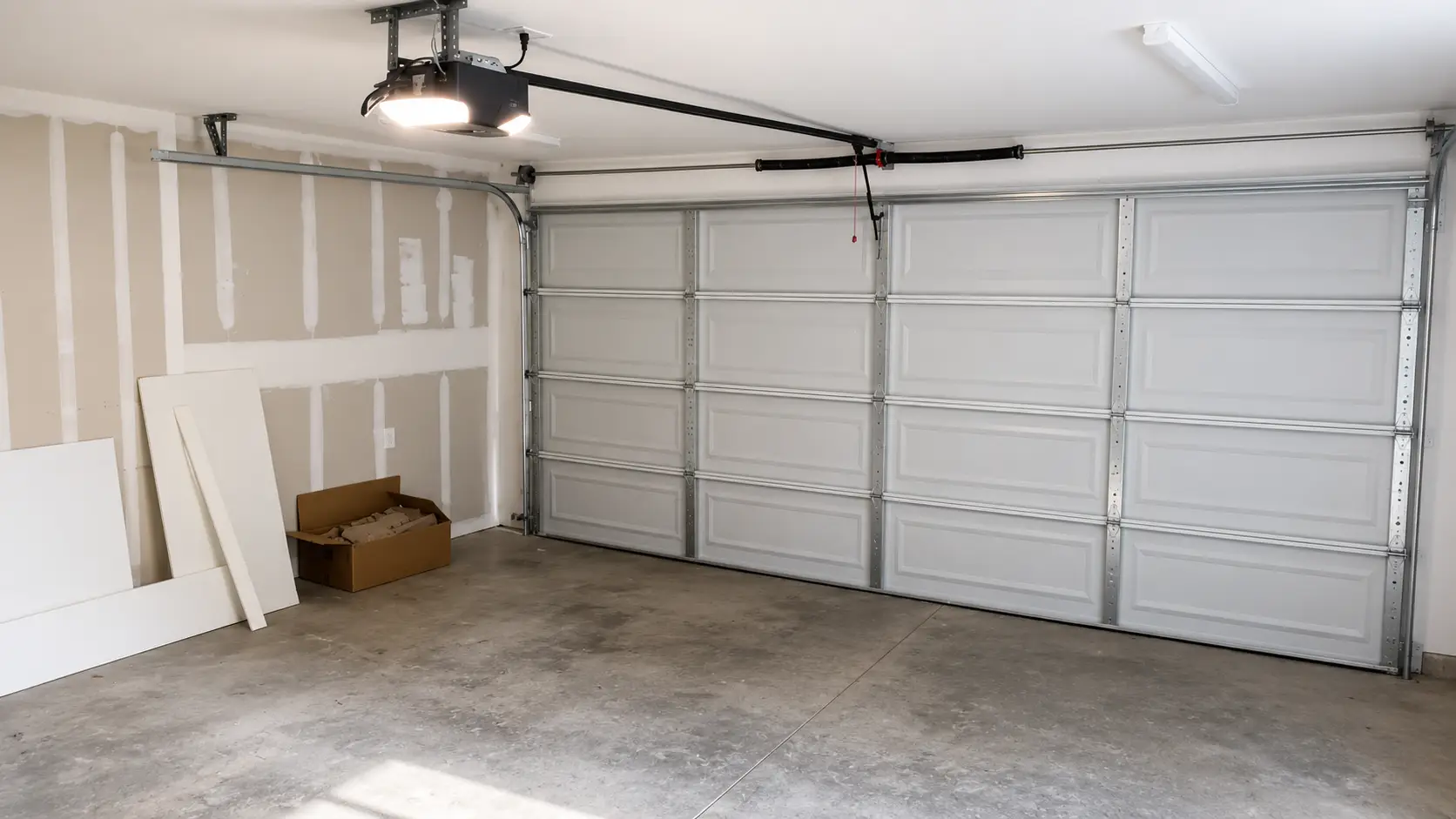
A garage door that will not open at 6:30 a.m. can stop the entire day before it starts. You may be unable to get your car out, secure the garage before work, or let a delivery into a commercial space. For garage door opener repair Boston homeowners and property managers can rely on, the first step is knowing whether the opener is truly the problem – and when it is safer to call a qualified technician.
An opener is a hardworking system, but it is only one part of a much larger moving door. A failed remote, flashing motor light, grinding noise, or door that reverses unexpectedly may point to an opener issue. A door that feels extremely heavy, hangs crooked, or will not move by hand may have a spring, cable, roller, or track problem instead. The right diagnosis prevents wasted money and helps get the door back to safe, dependable operation.
Signs Your Garage Door Opener Needs Attention
Most opener failures give some warning before the unit stops working entirely. A chain or belt drive that has become louder, slower, or more erratic deserves attention before a small repair turns into a full replacement. Intermittent operation is another common sign. If the wall button works but the remote does not, the issue may be a dead battery, lost programming, antenna interference, or a failing receiver.
Pay close attention when the motor runs but the door does not move. This can happen when a drive gear inside the opener wears out, but it can also occur because the door is binding or has a broken spring. The opener is designed to move a balanced door, not lift its full weight. Continuing to press the button can strip internal parts, damage the rail, or burn out the motor.
A door that starts down and immediately reverses also needs prompt service. Modern openers use safety sensors near the bottom of the tracks. Dirt, moisture, misalignment, damaged wiring, or a blocked sensor beam can keep the door from closing. This feature is there to protect people, pets, vehicles, and belongings, so it should never be bypassed to force the door shut.
Quick Checks That Are Safe to Do
Before scheduling a repair, there are a few simple checks that do not involve dismantling the opener or handling high-tension parts. Confirm that the opener has power by checking the outlet, power cord, and any tripped circuit breaker or GFCI outlet. Replace the remote battery if the remote has a weak signal or does not light up.
Look at the safety sensors on both sides of the opening. Their lenses should be clean, pointed toward each other, and mounted at the same height. Remove leaves, boxes, snow, or other objects blocking the doorway. In Massachusetts winters, snow buildup and road salt can affect the sensor area and hardware near the bottom of the door.
You can also inspect the door from a safe distance. Look for a loose cable, a gap in the torsion spring above the door, bent tracks, or a door that sits unevenly. Do not touch springs, cables, drums, or brackets. These components carry significant tension and can cause serious injuries if they release unexpectedly.
If the opener has an emergency release cord, use it only when the door is fully closed and you can do so safely. With the opener disconnected, a properly balanced door should lift smoothly without feeling excessively heavy. If it is difficult to lift, slams down, or will not stay partway open, stop there. The door needs professional service before the opener is used again.
When the Problem Is the Door, Not the Opener
A common mistake is assuming the opener caused every no-open condition. In many cases, the opener is responding to a door that has developed a mechanical problem. Broken springs are especially common. When a spring breaks, the opener may hum, strain, or move the door only a few inches because it is trying to lift a door that no longer has counterbalance support.
Frayed cables, seized rollers, damaged hinges, and bent tracks can create similar symptoms. A technician should inspect the complete system, including spring tension, cable routing, door balance, track alignment, rollers, hinges, and opener settings. Repairing only the visible symptom can leave the underlying issue in place.
This matters for both homes and commercial properties. A residential door that will not close compromises security and access. At a warehouse, retail location, multifamily property, or service bay, an unreliable overhead door can delay deliveries, affect tenants, and expose inventory. Fast service is valuable, but accurate diagnosis is what keeps the repair from repeating.
What Professional Opener Repair Should Include
A proper garage door opener repair begins with an in-person inspection. The technician should identify whether the problem is electrical, mechanical, or related to the door itself, then explain the recommended repair in plain language. You should know what part failed, why it failed, and whether repair is likely to be a durable solution.
Depending on the opener model and condition, service may involve replacing a worn gear, belt, chain, sprocket, trolley, capacitor, circuit board, safety sensor, wall control, remote receiver, or damaged wiring. The technician may also reset travel limits and force settings after confirming that the door is balanced and moving freely.
Upfront pricing matters here. An estimate should clearly separate the issue found, the proposed work, and the cost before repairs begin. Triple A Garage Doors Inc. provides in-person estimates and honest, upfront pricing, with no bait-and-switch approach. That clarity is especially helpful when an older opener has more than one worn component and you need to decide between repair and replacement.
Repair or Replace: The Practical Decision
Repair often makes sense when the opener is relatively new, the motor is in good condition, and the issue is limited to a replaceable part. A sensor alignment, remote problem, worn gear, or drive component can frequently be corrected without replacing the entire unit.
Replacement may be the better value if the opener is older, repeatedly failing, lacks current safety features, or requires costly parts that are difficult to source. It can also be a smart choice when you want quieter operation, battery backup, smartphone control, better lighting, or improved security features. Belt-drive openers are typically quieter, which can matter for attached garages and rooms above the garage. Chain-drive units are often durable and cost-effective, though they tend to be louder.
The condition of the door affects this decision. Installing a new opener on an unbalanced or damaged door can shorten the life of the new unit. Any replacement recommendation should account for the full door system, not just the motor on the ceiling.
Preventing Another Opener Breakdown
Annual maintenance can reduce surprise failures, particularly in a climate with freezing temperatures, humidity, and seasonal debris. A tune-up should include checking door balance, inspecting springs and cables, tightening hardware, lubricating appropriate moving parts, testing safety sensors, and confirming that the opener reverses correctly when it encounters resistance.
Homeowners can help by keeping the sensor area clear, listening for new noises, and avoiding repeated attempts to run a stuck door. Do not use the opener as a substitute for a properly working door. If the door is dragging, crooked, or unusually heavy, stop using it until it has been inspected.
A garage door should make everyday life easier, not leave you guessing whether it will open or close. When the system starts acting differently, addressing it early gives you more repair options and helps protect the people, vehicles, and property behind the door.
Leave A Comment